
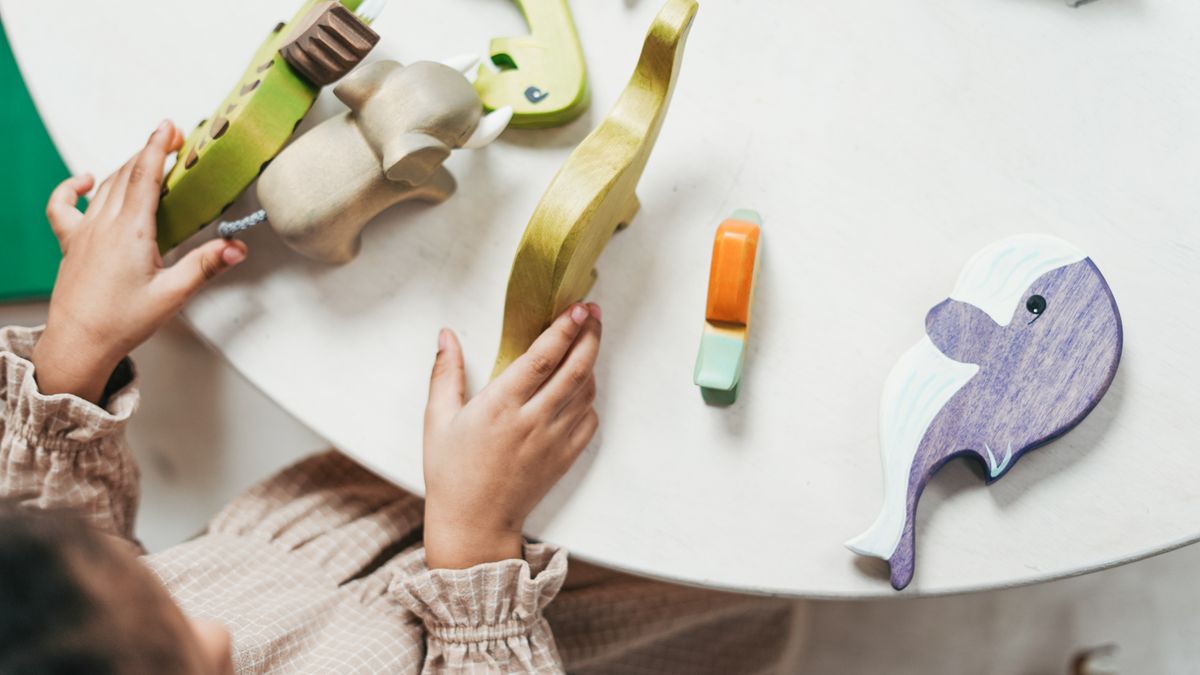
Autumn hands toddlers a changing world. Leaves shift colour almost daily, conkers drop, squirrels dash about stocking up, and the air smells of damp earth and woodsmoke. For a two- or three-year-old, that is a lot of new information arriving at once — and it is exactly the kind of information their brains are hungry for.
A slow woodland walk also builds something less obvious: outdoor confidence. A child who learns that wet leaves are slippery, that mud is fine in wellies, and that a path always leads back again becomes a child who is at ease outdoors in every season.
You do not need much, but a few small items make the difference between a lovely hour and a soggy, tearful one.
Choose a short, familiar route — a local park, a canal path, a corner of woodland with a bench roughly halfway. Expect to cover far less ground than you would alone, and plan for that.
The aim is not to identify every tree. It is to get your toddler looking closely, and to give them a reason to keep looking.
Name a few trees as you go — oak, sycamore, beech — but do not turn it into a test. Repetition across several walks does far more than a quiz.
Grey squirrels are the easiest win in most UK parks, and a toddler who has sat still long enough to watch one bury an acorn has learned something valuable about patience.
Try a simple routine: find a spot with trees and a bench, sit down together, and count slowly to twenty without talking. Squirrels, robins, blackbirds and magpies are often bolder than you expect. Whispering helps — it signals that something interesting is happening and keeps little voices low.
If nothing appears, look for signs instead. Nibbled cones, holes in the ground, chewed leaves. "Who do you think did this?" is a better question than "What is that?"
Two safety notes. Acorns and conkers are choking hazards, and conkers should not be chewed, so pop them in the collecting bag rather than a pocket near the mouth, and wash hands when you get home. Steer clear of berries and fungi — pretty, but not for handling.
Nature crowns are brilliant because they turn the walk into something your toddler can wear afterwards.
Before you leave, cut a strip of thin card about 4 cm wide and long enough to wrap around your toddler's head with a few centimetres of overlap. A cereal box works perfectly. Staple or tape the ends to fit, then cover the outside with strips of double-sided tape.
On the walk, let your toddler press leaves, grass heads and petals onto the tape as you go. No glue, no fiddly weaving, no tears. At home, add a dab of glue to any that keep falling off.
Then wear it. Crowns are much more fun when the grown-ups make one too.
Every toddler walk has a wobble, usually just before the best bit. A few habits help.
Repeat the same walk a few times across the season. Your toddler will start to recognise the turning, the big tree, the place where the squirrels live — and that growing familiarity is where real outdoor confidence comes from.

Hi, my name is Anthony kuber. I am artist and fashion designer.
I love to travel and writing blogging.
Your email address will not be published. Required fields are marked *
Software Developer & Writer
Hey, I'm Diva, a developer and writer blending code and creativity. I'm driven by a deep curiosity and a relentless pursuit of excellence. Join me as I craft digital solutions and captivating stories.


