
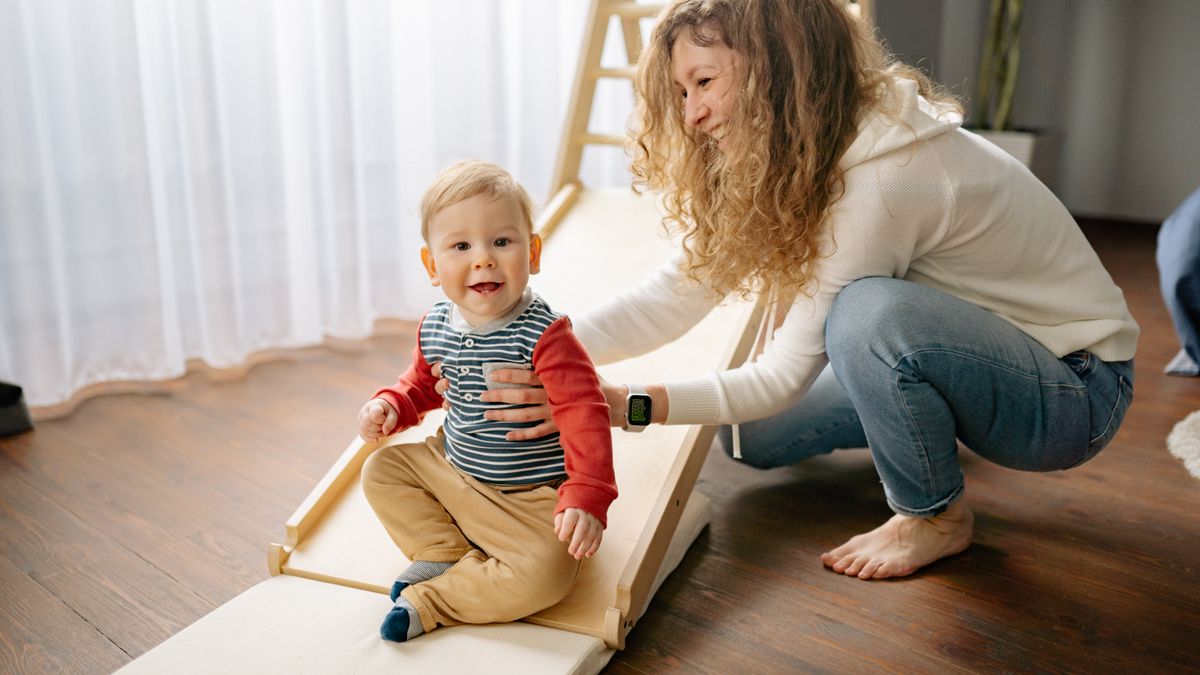
There is a particular sort of morning when the rain is coming down sideways, the buggy is dripping in the hallway, and every instinct says stay put. Staying home is fine — but a well-planned indoor outing can actually be easier than a long day in a small living room with a bored three-year-old. Preschoolers do not need sunshine to burn energy; they need space, novelty and a bit of a plan.
The trick is to lower your expectations of the day and raise your expectations of your preparation. You are not aiming for a perfectly fulfilling cultural experience. You are aiming for two or three hours in which everyone is warm, dry, fed and reasonably cheerful, followed by a nap or a quiet afternoon. That is a genuinely good rainy day.
Not every indoor attraction works for the under-fives, and the wrong choice can turn a nice idea into a stressful shuffle through crowds. Look for places with a few key features: a short, flat walk from the car park or bus stop; somewhere to leave a wet coat and buggy; and a space where children can move without being told off.
Ring ahead where you can. Ask whether there is a session limit, whether you need to book, and whether the car park floods. Five minutes on the phone prevents an hour of misery.
On a wet day your bag is doing more work than usual, so pack it the night before. A spare set of clothes for your child — and a spare top for you — feels excessive until someone sits in a puddle. Wellies are better than trainers for the walk in, but bring indoor shoes or thick socks, because many venues ask children to remove wet footwear.
Keep the bag light enough to carry on one shoulder while holding a hand. If you can leave a spare change of clothes in the car, do — it is one less thing to think about.
Preschoolers cope with new places far better when their bodies are busy first and their brains are asked to be calm second. So start with the noisy, physical bit: let them run, climb, jump and shriek for a good half hour. Only then try the quieter activity, whether that is a story session, a craft table or looking at an exhibition.
Watch for the signs that the tank is empty: rubbing eyes, tripping over nothing, sudden tears about a sock. That is your cue to move to a snack, not to push on to one more gallery. A useful rule is one big activity per outing. Trying to fit in the museum, the café and the shop is how good days go wrong.
Rainy day outings work best when they are shorter than you think. Two hours is plenty for most three- and four-year-olds, and ninety minutes is plenty for a two-year-old. Plan to leave before the meltdown, not after it.
Eat before you are desperate. A snack at the halfway point keeps blood sugar steady and gives everyone a sit-down. If you are using a café, choose one with a visible clock and order the moment you arrive, before the queue builds. If you are eating your own food, check whether the venue allows it — many do in a designated picnic area, and some do not.
Give a five-minute warning before you leave: "Two more goes on the slide, then we find our coats." Then follow through cheerfully and quickly. A calm exit is worth more than five extra minutes of play.
Some rainy days simply do not warrant a bus journey. A trip to the local library, a swim at the nearest pool, or a wander around a shopping centre with a soft play corner can give you the same change of scene for far less effort. You can also create an outing at home: build a den with blankets, make a "café" in the kitchen, or set up a washing-up bowl of warm water with jugs and sponges on a towel on the floor.
The point is not the destination. It is the rhythm — out of the house, something to do, something to eat, home again before anyone falls apart. Get that right and the rain barely matters.

Hi, my name is Anthony kuber. I am artist and fashion designer.
I love to travel and writing blogging.
Your email address will not be published. Required fields are marked *
Software Developer & Writer
Hey, I'm Diva, a developer and writer blending code and creativity. I'm driven by a deep curiosity and a relentless pursuit of excellence. Join me as I craft digital solutions and captivating stories.


