
A nature reserve is one of the few places you can take a toddler that asks nothing of them except their attention. There is no queue, no entry fee, and usually far less ground to cover than at a big country park. Most reserves in the UK are modest in size — a wildflower meadow, a strip of ancient woodland, a pond with a dipping platform — and that suits little legs beautifully. You can walk the whole circular route in forty minutes and still have something left in the tank for the journey home.
They are also genuinely sensory in a way that playgrounds are not: the squelch of mud under wellies, the smell of wet leaves, the rustle of a blackbird in the hedge. Children who declare themselves bored indoors often come alive somewhere like this within ten minutes. The trick is to arrive with a loose plan, not an itinerary.
Nothing engages a curious four-year-old quite like turning over a log. Start at the edge of a path where there is leaf litter and dead wood, and gently lift a log or stone, keeping it low to the ground. Look for woodlice, millipedes, centipedes, beetles, slugs, snails and the occasional sleepy frog. The golden rule to teach children early is simple: look, count, then put it back exactly as you found it, damp side down.
Turn it into a game. Set a ten-minute timer and count how many different creatures you can find. Give each child a "specialism" — one looks for things with legs, another for things with shells. A white tray borrowed from the kitchen is perfect for a closer look at pond life, provided you return everything to the water promptly and wash hands thoroughly afterwards.
Children walk further when they are going somewhere for a reason. A stick hunt, a colour hunt, or a "find three different leaves" challenge will carry a reluctant walker much further than encouragement alone. Let them lead for a stretch, even if it means investigating the same tree stump twice.
Plan on twenty to thirty minutes of walking before a rest, and turn back before tiredness turns into a meltdown — the walk back is always longer than the walk out. Fallen branches make excellent dens, and a favourite walking stick can be carried for the whole loop and left at the gate on the way out. Hides and birdwatching screens are brilliant for a quiet five minutes; lift little ones up to the window and keep voices low so they feel part of something secret.
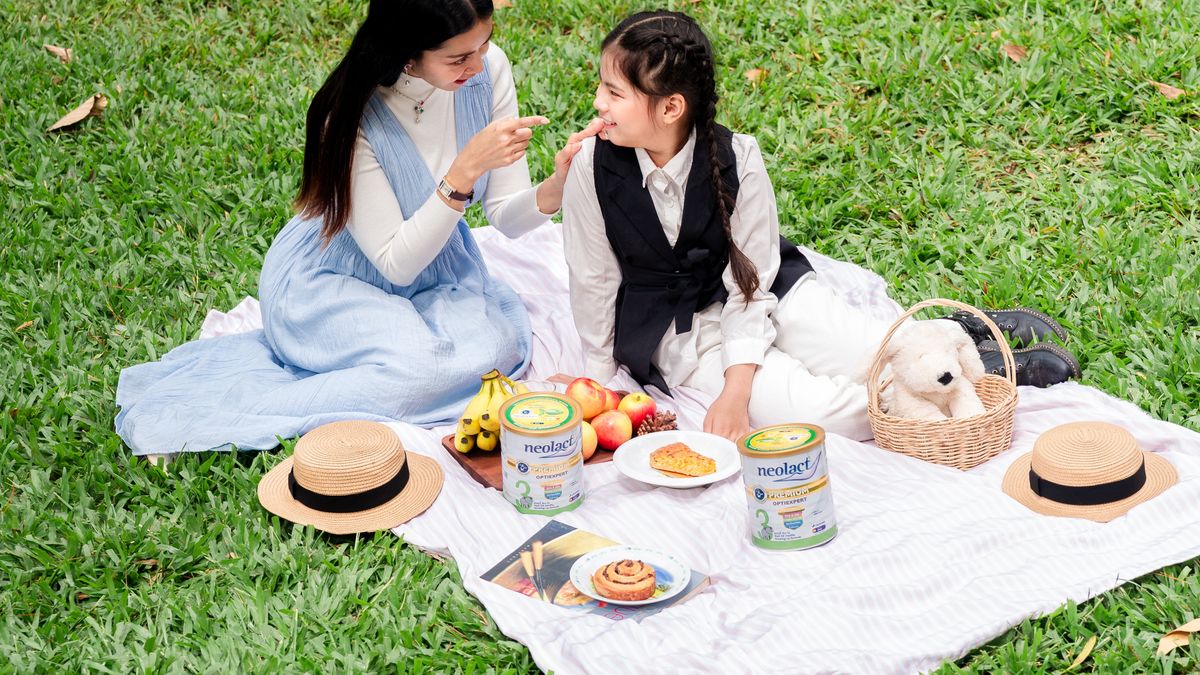
Most reserves have a bench, a log circle or a picnic table at a sensible halfway point. Aim to stop somewhere with a view rather than wherever you happen to be tired, because a child with a sandwich and a pond to watch will sit still far longer. Flasks of squash and simple, robust snacks work best; crumbly cakes and sticky fruit attract wasps in late summer.
Take every wrapper home with you. A crisp packet left in long grass is a genuine hazard to small mammals, and children take real pride in being the one who checks the picnic spot before you leave. If rain sets in, shelter in a hide and watch the ripples on the water — some of the best family memories come from a sudden downpour.
Return to the same reserve through the year and something quietly brilliant happens: your child starts to remember the place. They will head straight for the same log, the same dipping platform, the same oak. That familiarity, built one muddy walk at a time, is how a nature reserve stops being a day out and becomes somewhere they belong.

Hi, my name is Anthony kuber. I am artist and fashion designer.
I love to travel and writing blogging.
Your email address will not be published. Required fields are marked *
Software Developer & Writer
Hey, I'm Diva, a developer and writer blending code and creativity. I'm driven by a deep curiosity and a relentless pursuit of excellence. Join me as I craft digital solutions and captivating stories.


